Commercial Storm Damage in Pendleton, IN
Storm water drying for Pendleton property managers who need the building open and the paperwork in order.
When Pendleton homeowners need Commercial Storm Damage, Pendleton Water Restoration responds 24/7 with certified technicians, fast equipment deployment, and claim ready documentation. Call (765) 508-0821 for immediate dispatch.
- Service: Commercial Storm Damage for Pendleton homeowners
- Service area: Pendleton, IN and surrounding areas
- Response time: Same day emergency response for Pendleton; 24/7 availability
- Licensed and insured (License #RC21100059)
- Serving Pendleton, IN since 2018
Commercial Storm Damage Cleanup in Pendleton
We'll secure and dry commercial buildings in Pendleton after a storm opens the roof or floods a lower level.
Storms Here
Fall Creek has a flood history that nearby sites should plan around. Damaging wind can hit here, and that puts roofs and rooftop equipment at risk. NWS Indianapolis posts summaries of past storms, which helps when your carrier asks for a date.
We respond to storm calls from businesses anywhere in Pendleton, including those around Fall Creek Golf Club and Pendleton Heights High School. We also handle commercial storm damage in Fishers, Fortville, Ingalls and Lapel.
Commercial Storm Damage for Pendleton Businesses
A curtain wall that lets storm water in often shows it at the perimeter, where fan coil cabinets and floor boxes sit within a few feet of the glass. The water can wet the cabinets and the carpet edge, then run down into the slab, while the center of the floor stays dry. Pendleton Water Restoration checks the whole glass line in your Pendleton building and dries what the meters flag.
Everything that leaves the building gets counted and photographed first. Pendleton Water Restoration keeps a removal log for your Pendleton property that lists the room, the material, the approximate area and the reason it couldn't be dried in place. When the repair scope is written later, it starts from that log, and the adjuster can follow each line.
Above a suspended ceiling is where most commercial storm water ends up sitting. Pendleton Water Restoration crews pull the wet lay in tile, bag the saturated batt or blanket insulation, and get air moving across the deck and the underside of the structure. Readings come off the gypsum and the deck itself, because dry tile over a wet deck just moves the problem a month out.
Commercial mitigation scopes from Pendleton Water Restoration get written in the line item format adjusters already work in. The scope is built off measured affected area, the drying equipment the readings justified and the labor the work took. If anybody questions a line, the readings and the photos behind it are in the same file, and you decide with your carrier what happens next.
A storm loss at your Pendleton property gets read by ownership, tenants, your broker and a carrier's reviewer, so the file has to work for all four. Call Pendleton Water Restoration, and the first visit starts building that file.
Signs You Need Commercial Storm Damage Restoration
If you notice any of these in your Pendleton building, schedule a free inspection before the issue worsens.
A tenant reporting the same leak every heavy rain, in the same corner of the same suite
Water standing in a elevator pit, or a pit pump that's been cycling longer than usual
Standing water in a rooftop unit's drain pan, or condensate running down the duct below it
Vinyl tile or glue down carpet lifting at the seams out in the middle of a floor plate
A roof drain or scupper running slow, gurgling, or ringed with debris and sediment
Leak sensors or pit alarms going off in a mechanical room or IT closet during a storm
Fan coil or convector cabinets along a window wall holding water at the bottom
Wet or stained carpet along an interior column line with no plumbing fixture anywhere near it
Damp, darkened flooring in a band just inside the main entrance after a windy rain
Stains that start at the top floor and reappear on the same wall two floors down
How Pendleton Water Restoration Handles Commercial Storm Damage
We follow these steps in order on every Pendleton job.
Power and Safety Walk
Before extraction starts, the crew walks the wet areas with your building engineer and confirms which circuits serve them. Cords run through ground fault protection, and the electrician decides what can be reenergized.
Moisture Mapping
Every affected space gets walked with thermal imaging and both penetrating and nonpenetrating meters. Readings are keyed to a floor plan by room or column line, so the scope covers where the water went and leaves dry areas alone.
Occupied Space Planning
Suites and corridors that must stay in service get marked on the plan before any equipment is staged, along with where the barriers go. The loud work is scheduled for hours when the space is empty.
Structural Drying Setup
Dehumidification is sized to affected cubic footage, desiccant for open floor plates and refrigerant units for enclosed suites. Air movers go in at calculated angles. The crew checks available amperage and brings distribution or generator power when building panels can't carry the load.
Equipment Out and Space Release
As each area reaches its dry goal, the equipment comes out of it and the space goes back to the tenant. The release date and final readings for every area go in the file.
Commercial Storm Damage in Pendleton
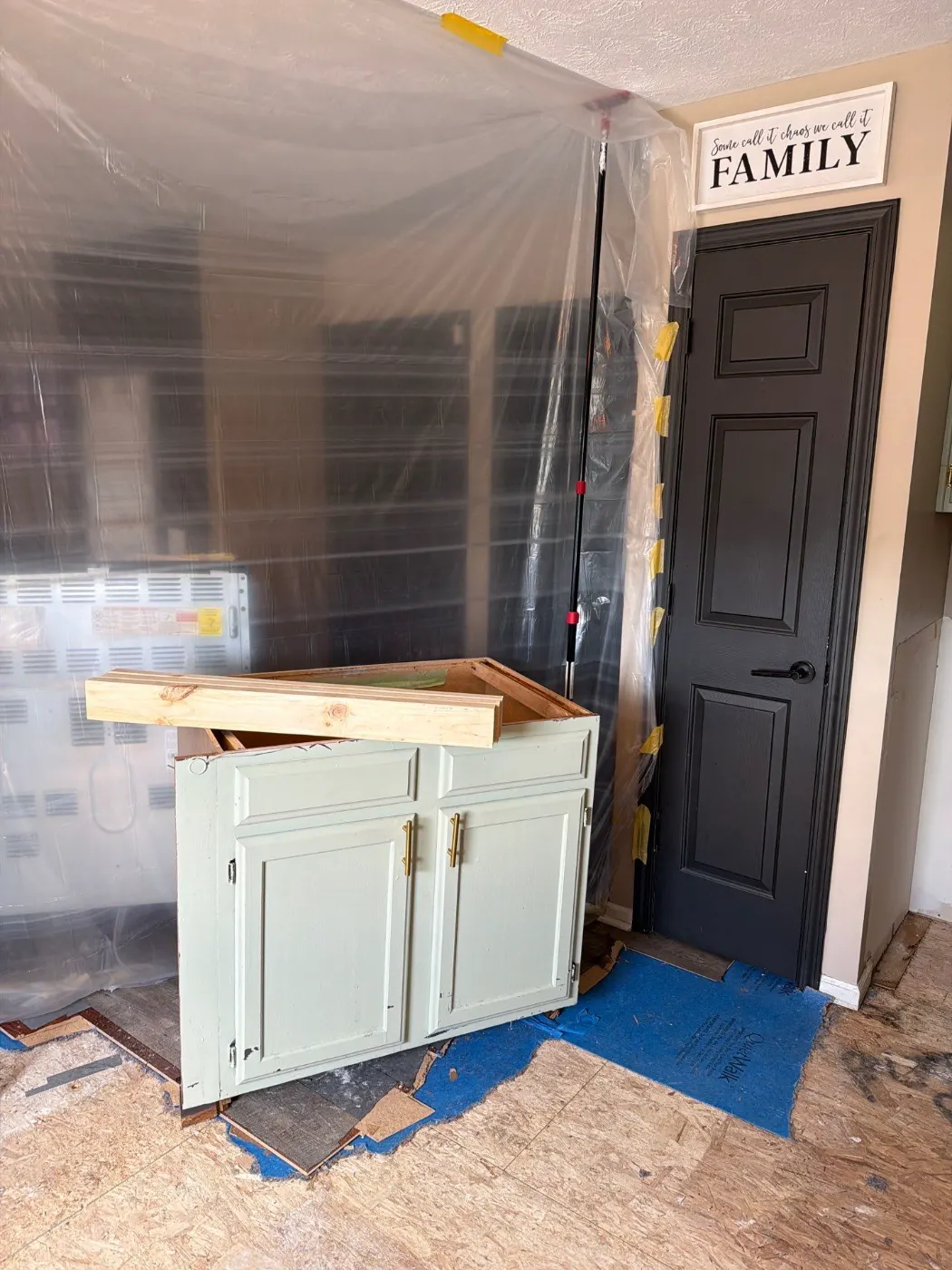
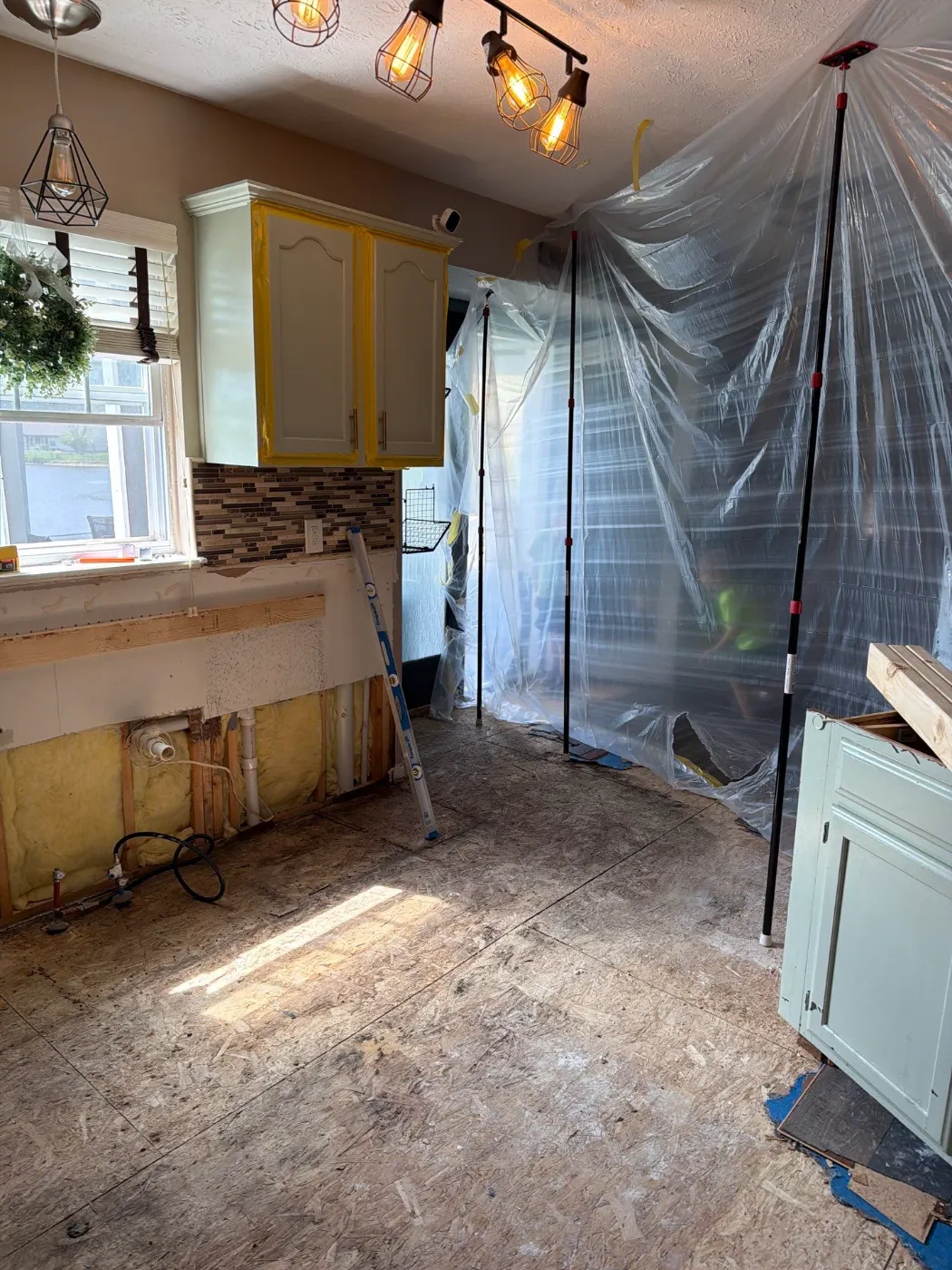
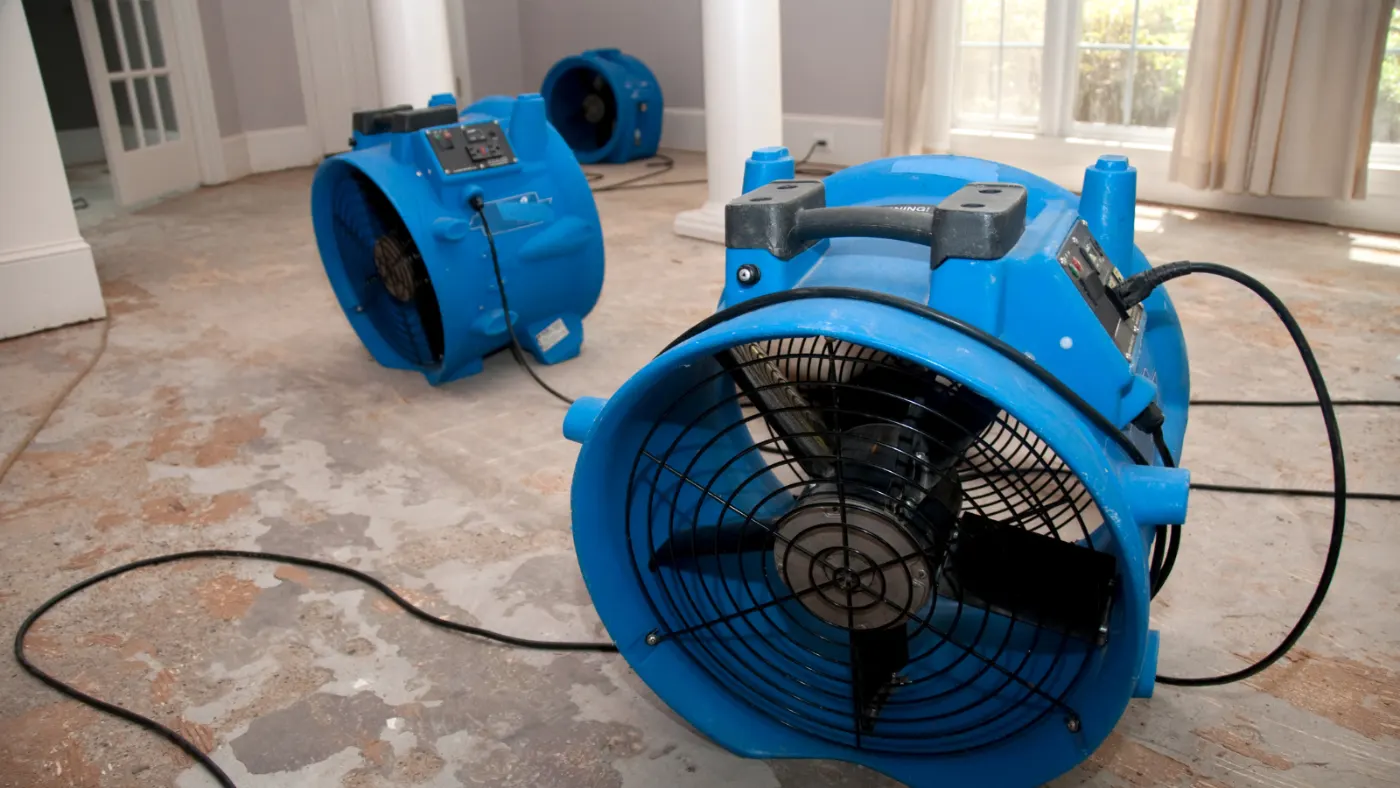
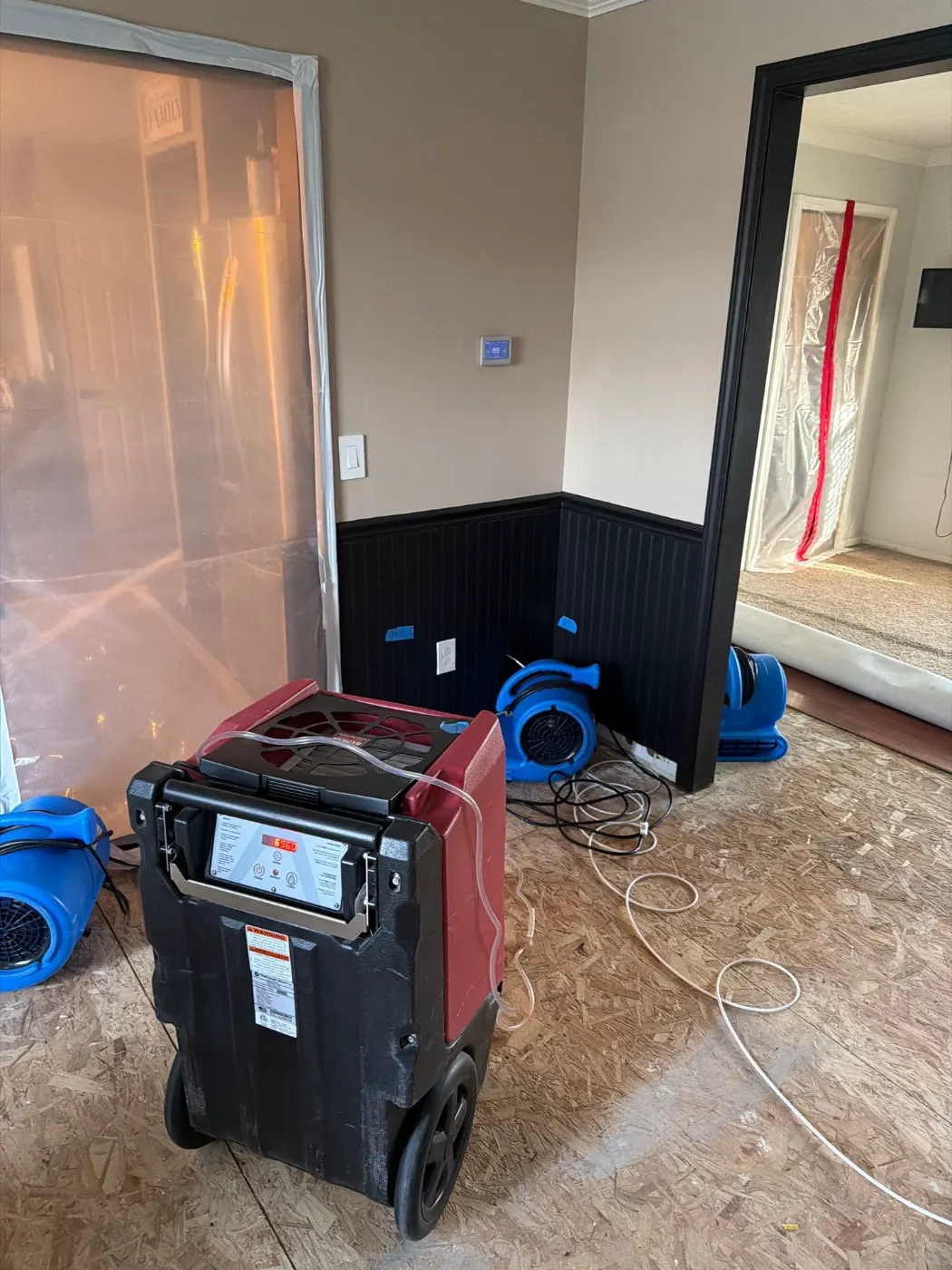
Photographs from real commercial storm damage jobs completed by our crew in Pendleton and surrounding areas.
Commercial Storm Damage FAQ
Questions Pendleton property managers ask us about commercial storm damage restoration.
Guidance and Standards for Commercial Storm Damage
- The National Weather Service office in Indianapolis posts summaries of recent central Indiana storm and flood events. NWS Indianapolis Event Summaries
- The ANSI/IICRC S500 is the published standard for professional water damage restoration. The current edition is the Fifth Edition, 2021. IICRC S500 Standard
Pendleton Neighborhoods We Serve
We take commercial storm damage calls in every part of Pendleton. Pick your neighborhood for local details.
Other Restoration Services in Pendleton
Pendleton Water Restoration handles the full scope of restoration work. Explore our other services below.
Water Damage Restoration in Pendleton
24/7 emergency response. IICRC certified water restoration from extraction to full dry out.
Learn more →Basement Flooding in Pendleton
Basement water emergencies handled fast. Extraction, drying, mold prevention.
Learn more →Sewage Cleanup in Pendleton
Category 3 biohazard cleanup. Full containment, decontamination, structural restoration.
Learn more →Request Commercial Storm Damage Restoration
Reach Us Directly
Our team is available 24/7 for emergencies and ready to schedule inspections during business hours.
Need Immediate Help?
For active water or mold emergencies, call us directly. We are available 24/7.